You have probably heard claims that copper and silver kill germs. But is it real or marketing hype? And if it is real, does it actually matter in your daily life?
The answer is nuanced, and that is exactly what we are going to explore. Real research backs up antimicrobial properties of both metals—the science is solid. But understanding how it works, when it matters and when it does not is crucial before you invest in copper bottles or silver-lined anything.
This article cuts through the noise with what peer-reviewed studies actually show, practical applications that make sense, and honest limitations you should know about.
The Science: How Copper & Silver Actually Kill Microbes
The Basic Mechanism
Both copper and silver work through a process called oligodynamic effect—a fancy term for “heavy metal ions damage microbial cells.”
Here is what happens at the microscopic level:
- When copper or silver come into contact with water (or moisture on a surface), tiny metal ions dissolve into that liquid.
- These ions penetrate the cell membrane of bacteria, viruses and fungi.
- Once inside, they disrupt the microbe’s DNA, RNA and protein synthesis.
- The microbe cannot repair itself and dies.
This is not selective; copper and silver ions are toxic to a broad range of pathogens—bacteria like E. coli and Staphylococcus aureus, viruses including some cold and flu strains, and fungi.
Copper: The Aggressive Antimicrobial
Copper is particularly aggressive. Research shows it can reduce bacterial populations by up to 99.9% within just a few hours of contact. Studies published in peer-reviewed journals have documented copper’s effectiveness against:
- E. coli O157:H7 (food poisoning pathogen)
- Listeria monocytogenes (serious foodborne infection)
- Clostridium difficile (hospital-acquired infection)
- Influenza A virus
- Various antibiotic-resistant bacteria (MRSA)
The catch: copper works fastest when microbes are in direct contact with the metal surface for extended periods, and it is most effective in warm, slightly acidic environments (like water stored at room temperature).
Silver: The Subtle Protector
Silver works similarly but generally more slowly than copper. However, silver has advantages:
- It is less likely to stain or discolour materials.
- It remains antimicrobially active even when tarnished.
- It is effective across a wider pH range (acidic to alkaline).
- Some research suggests it may have anti-inflammatory properties in addition to antimicrobial effects.
Silver is commonly used in medical settings—wound dressings, catheters, surgical instruments—precisely because its antimicrobial properties are reliable and well-documented.
Real-World Applications: Where Copper & Silver Actually Matter
Water Storage and Hydration
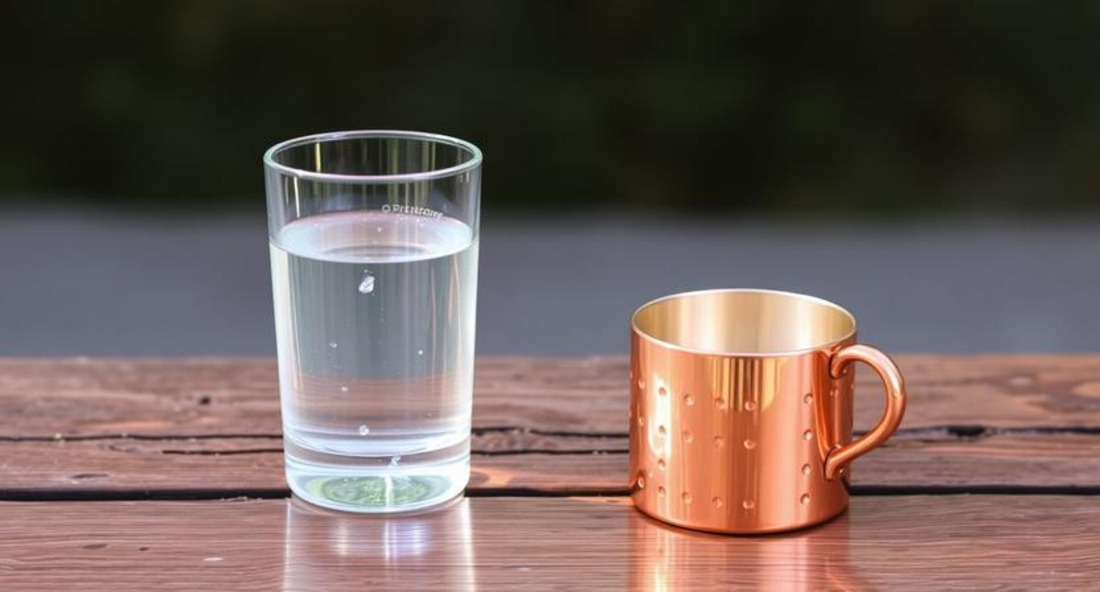
This is where the science translates into practical benefit. If you store water in a copper vessel for several hours, the antimicrobial effect is measurable. Studies show that copper vessels can reduce common waterborne pathogens.
Real-world impact: In regions with questionable water quality or during travel, a copper water bottle or jug offers a simple, passive way to reduce pathogen load. You do not need to boil or treat the water chemically; the metal does some of the work for you.
How to use it effectively:
- Store water in the copper vessel for at least 6–8 hours before drinking (overnight is ideal).
- Use room-temperature or slightly warm water; cold water slows the antimicrobial effect.
- Keep the copper clean. Patina (the greenish coating) does not reduce effectiveness, but visible dirt should be rinsed off.
Kitchen Surfaces and Utensils
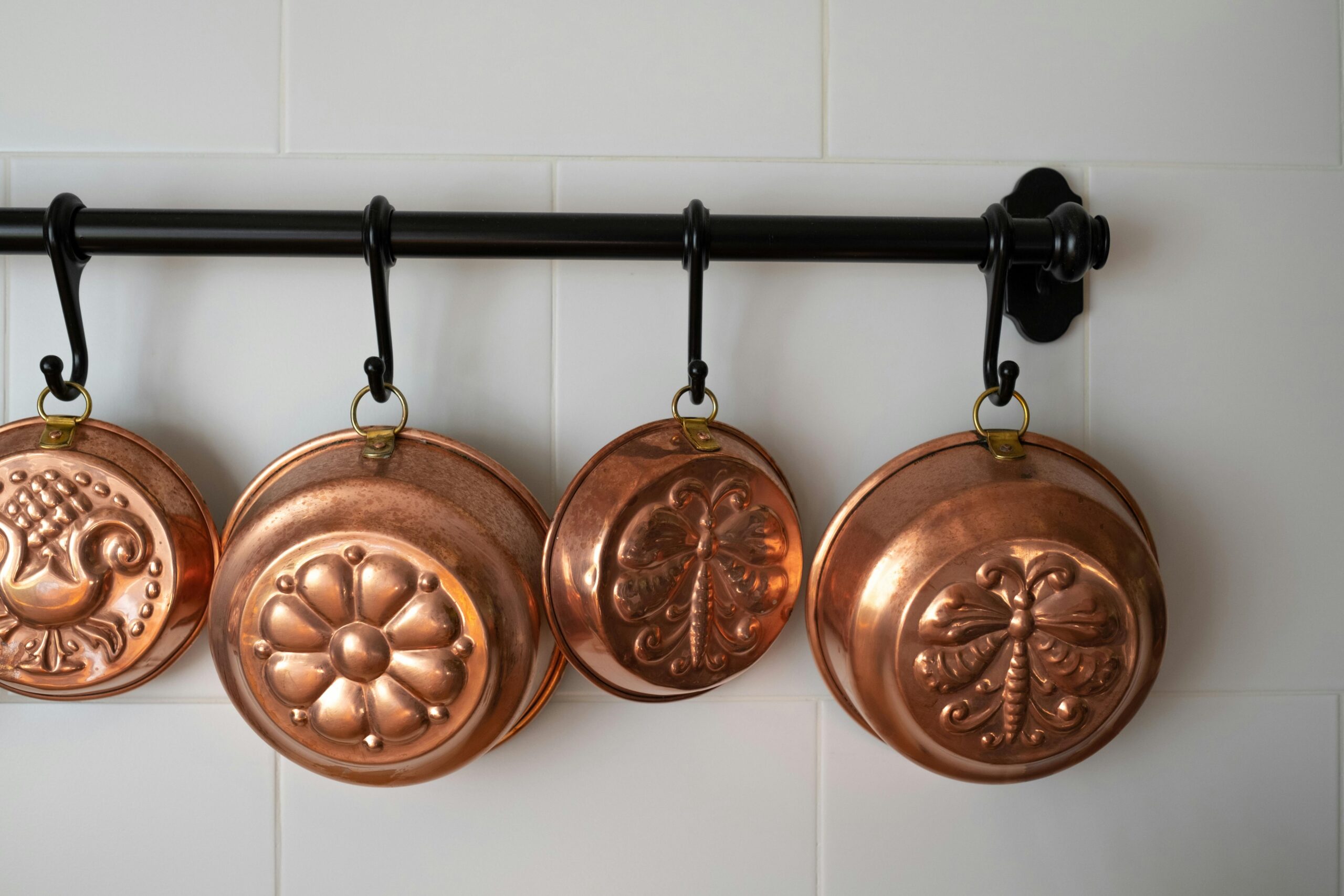
Copper has been shown to reduce bacterial colonies on kitchen surfaces faster than stainless steel or plastic. This matters because kitchen environments are where foodborne pathogens spread.
Real-world impact: A copper cutting board, serving tray or utensil holder can reduce bacterial cross-contamination compared to plastic alternatives, especially when used regularly and kept clean.
Important caveat: Copper is not a replacement for proper handwashing, food storage and cleaning protocols. It is an assist, not a solution on its own.
Personal Hygiene Items
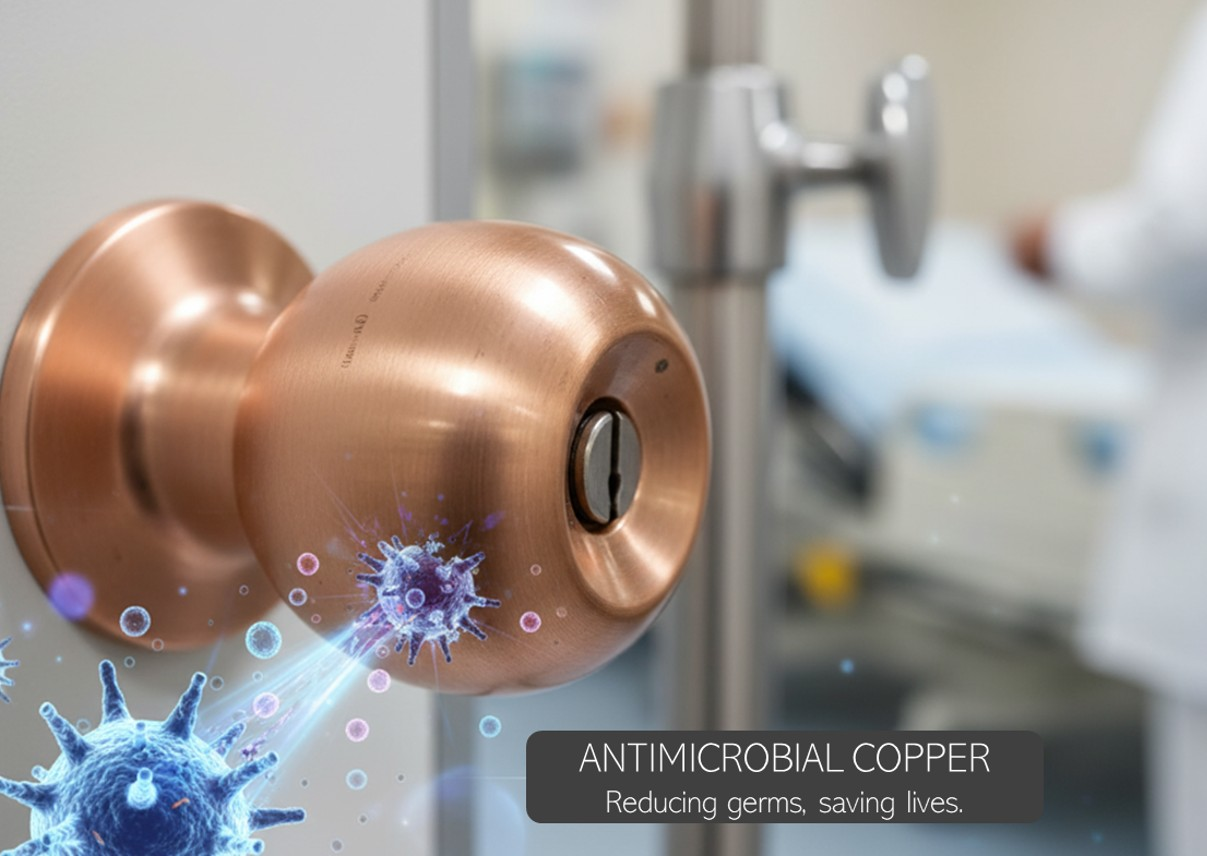
Copper handles, doorknobs and other high-touch surfaces in hospitals have been shown to reduce HAI (hospital-acquired infection) rates. This principle translates to home: copper door handles, light switches and bathroom fixtures naturally inhibit pathogen spread.
Real-world impact: During cold and flu season, copper fixtures in shared spaces (kitchen, bathroom) can reduce transmission rates within households.
Wound Care and Textiles
Silver-infused wound dressings and medical textiles are FDA-approved and extensively used in hospitals. They genuinely reduce infection risk in open wounds.
Real-world impact for everyday use: Silver-infused socks (especially for diabetics prone to foot infections) and bandages show measurable benefit in clinical settings. Consumer versions are less extensively studied but likely offer some protective advantage.
Important Limitations: What These Metals Cannot Do
They Are Not Magic
Copper and silver are antimicrobial, but they work best under specific conditions: moisture present, extended contact time, and adequate metal-to-microbe ratio. A single sip from a copper cup is not enough to “kill all germs.” The metal needs time.
They Work Best on Pathogens, Not All Microbes
Copper and silver kill many bacteria, viruses and fungi, but not all of them, and not instantly. Some hardy pathogens are more resistant. And some beneficial bacteria (which you actually want) can also be suppressed.
Proper Hygiene Still Matters Most
No amount of copper or silver replaces handwashing, food storage safety and cleaning. These metals are tools to reduce risk, not eliminate it.
Biofilm Formation
If a copper surface becomes heavily coated with biofilm (a sticky layer of microbes and organic matter), the metal cannot reach pathogens underneath. Regular cleaning is essential.
Cost-Benefit for Daily Use
For healthy individuals with access to clean water, the practical benefit of copper or silver cups is modest. You are already reducing pathogenic risk through normal sanitation. For immunocompromised people, travelers, or those with questionable water sources, the benefit is higher.
What the Research Actually Shows (Key Studies)
Copper and Waterborne Pathogens
A 2016 study published in Journal of Applied Microbiology found that water stored in copper vessels showed significant reduction in E. coli and other pathogens after 6–16 hours. The effect was stronger at higher water temperatures.
Copper Surfaces in Healthcare
Research from the Medical University of South Carolina (2016) showed that hospital rooms equipped with copper-alloy surfaces had 58% fewer healthcare-associated infections compared to standard rooms. This is substantial.
Silver and Wound Healing
The Cochrane Database (a gold standard for medical research) reviewed 73 studies on silver-containing wound dressings and found they were effective in reducing infection rates, particularly in burns and chronic wounds.
Everyday Consumer Use
There is less robust research on consumer copper cups or silver jewelry for everyday health. The antimicrobial effect exists, but the practical benefit for a healthy person with normal hygiene is incremental. For travellers or immunocompromised individuals, the benefit is more meaningful.
Practical Guide: How to Use Copper & Silver Antimicrobially
If You Want Antimicrobial Benefit from Your Copper Bottle
- Store water overnight. Daytime sipping does not give the metal enough contact time.
- Use room temperature or warm water. Cold water slows the process significantly.
- Keep it clean. Wash with mild soap and water. Green patina is fine; visible grime is not.
- Do not rely on it as your sole water safety measure. In high-risk areas, boil or filter water first, then store in copper.
If You Want Antimicrobial Benefit from Silver
- Ensure direct contact. Silver-infused textiles work best when they contact skin or wounds directly.
- Keep silver items clean. Tarnish does not reduce antimicrobial effect, but buildup of other dirt can.
- For wound care, use medical-grade products. Consumer silver products are not FDA-regulated the way hospital-grade products are.
Realistic Expectations
Use copper and silver as part of a comprehensive hygiene approach, not as a replacement. They are most valuable for:
- People with compromised immune systems.
- Travellers to areas with questionable water quality.
- High-touch environments (kitchens, bathrooms) where pathogen spread is a concern.
- Wound care in medical settings.
For a healthy person with normal hygiene in a developed country, copper and silver offer incremental benefit—nice to have, but not essential.
A Note on Sustainability and Overkill
While copper and silver are antimicrobially effective, there is also a risk of antimicrobial overkill. Constant exposure to antimicrobial surfaces can contribute to antimicrobial resistance—pathogens evolving to survive the metals.
Additionally, mining and processing copper and silver have environmental costs. Choose these products if they genuinely fit your life, not just because they sound advanced.
A simple ceramic cup with clean water and good personal hygiene remains one of the safest, most sustainable options for most people.
The Bottom Line
Yes, Copper & Silver Are Antimicrobially Active
This is backed by solid peer-reviewed research. The oligodynamic effect is real.
No, You Do Not Need Them for Basic Health
If you have clean water, normal hygiene and a healthy immune system, copper and silver are a nice addition, not a necessity.
Yes, They Matter in Specific Contexts
For travellers, immunocompromised people, or high-risk environments, they offer meaningful benefit.
No, They Replace Basic Sanitation
Handwashing, cleaning and proper food storage remain your first line of defence.
Yes, They Are Worth Exploring If They Fit Your Lifestyle
If you appreciate ritual objects, sustainable materials and passive antimicrobial support, copper cups and silver accessories make sense to incorporate.
Copper, Silver, and Conscious Living
The science is clear: copper and silver have genuine antimicrobial properties. The question is not whether they work, but whether they make practical sense for your life.
Use them thoughtfully. Do not buy a copper cup just because it sounds trendy. But if you appreciate natural materials, ritual practices and want an extra layer of passive hygiene support—especially if you travel or live in a shared space—copper and silver are legitimate tools backed by research.
The best approach is the one you will actually use: a material that feels good in your hand, fits your lifestyle and does not create unnecessary complexity. Whether that is stainless steel, ceramic or copper is a personal choice—backed by your own needs, not just marketing.
Want to dive deeper into the science and explore how copper and silver fit into a conscious daily practice? Read our full science-backed article and product recommendations at earthlyessential.com.