Hemp vs Cotton: The Truth
You have probably heard the hype: hemp bedding is better, hemp clothing is the future, hemp everything. But is it actually better than cotton, or is it marketing?
The answer, as with most things, is nuanced. Hemp and cotton are both natural plant fibres, but they come with very different profiles—different environmental costs, different feel against your skin, different longevity and different effects on your home environment.
This article breaks down the real differences, the honest trade-offs and helps you decide which fabric actually serves your home and body better. Spoiler: the answer depends on what matters most to you.
The Basics: What Are Hemp and Cotton?
Cotton
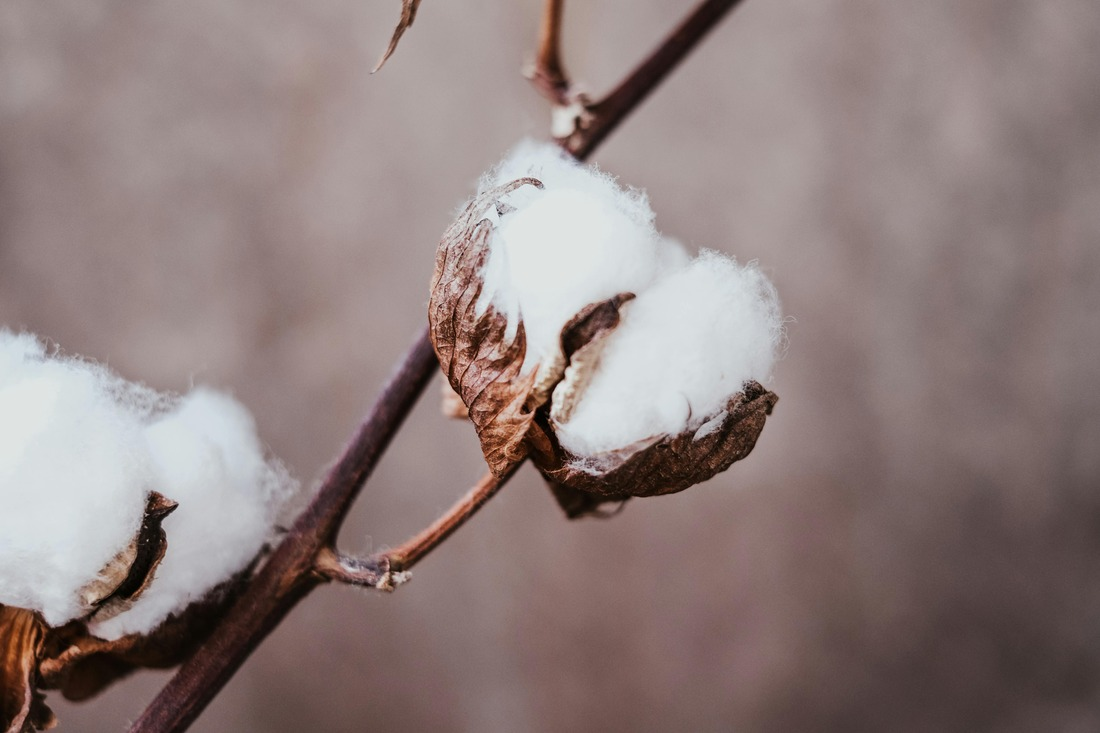
Cotton comes from the fluffy white bolls of the cotton plant. It has been cultivated and used for thousands of years. It is soft, breathable, comfortable and familiar—which is why it is still the world’s most popular natural fibre.
Hemp
Hemp comes from the stalk of the cannabis plant (yes, that plant—but without the psychoactive compounds). It is one of the oldest domesticated crops, used for textiles, rope and paper for millennia. It was nearly eradicated in the 20th century due to legal issues around cannabis, but has made a major comeback in the last decade.
Both are natural, renewable and biodegradable. But the similarities largely end there.
Environmental Impact: The Honest Comparison
Cotton: Water-Intensive and Chemical-Heavy
Cotton is beautiful and comfortable, but it comes with a significant environmental cost:
- Water usage: Growing conventional cotton requires approximately 2,700 liters of water to produce one t-shirt. In drought-prone regions, this can deplete groundwater and stress local ecosystems.
- Pesticide use: Cotton accounts for roughly 16% of global pesticide use despite occupying only about 2.5% of cultivated land. These pesticides contaminate soil and water.
- Soil degradation: Intensive cotton farming depletes soil nutrients and can lead to desertification over time.
- Processing: Converting raw cotton to textile requires bleaching and dyeing with chemicals that have environmental and health impacts.
That said, organic cotton changes the equation significantly. Organic cotton uses no synthetic pesticides, builds soil health and uses less water overall. If you are choosing cotton, organic is substantially better.
Hemp: The More Sustainable Option
Hemp has several environmental advantages:
- Minimal water: Hemp requires significantly less water than cotton—roughly 1/3 to 1/2 the amount.
- No pesticides: Hemp is naturally pest-resistant, so it requires few to no pesticides, even in conventional cultivation.
- Soil improvement: Hemp actually improves soil health, reducing erosion and building nutrients. It is often used in crop rotation for this reason.
- Land efficiency: Hemp produces more fibre per acre than cotton.
- Processing: Hemp can be processed with fewer harsh chemicals than cotton, particularly if you choose brands using low-impact dyes.
The bottom line on environment: If environmental impact is your primary concern, hemp wins. It is significantly more sustainable than conventional cotton and comparable to (or better than) organic cotton.
Feel and Comfort: Which Actually Feels Better?
Cotton: Soft Immediately, Thinner, Less Durable
Cotton feels soft right away. It is breathable, absorbs moisture well and feels light against the skin. For someone who likes that smooth, slightly slippery feeling, cotton is lovely.
However, cotton weakens over time. Threads break down, the fabric gets thinner and it loses its integrity faster than hemp. A cotton sheet might feel great for two years but decline noticeably by year five.
Hemp: Stiff at First, Then Incredibly Soft, Much More Durable
This is the big trade-off with hemp: it is stiff and slightly rough when new. Many people find the first 5–10 washes uncomfortable. But here is what happens: with each wash, hemp gets softer. After a month of regular use and washing, hemp becomes buttery soft—softer than many cottons.
And it stays durable. A hemp sheet worn for five years still feels like a hemp sheet. The fabric holds its integrity and actually gets softer with age, not thinner.
The comfort equation:
- Immediate comfort (0–2 weeks): Cotton wins.
- Long-term comfort (after 1 month): Hemp often wins for people who value durability and long-term softness.
- Durability: Hemp is clearly superior. Hemp lasts 2–3 times longer than cotton.
The real factor here is your preference: do you want immediate comfort, or are you willing to invest in a fabric that becomes better with time?
Health and Home: Which Supports a Calmer, Cleaner Space?
Pesticide and Chemical Residue
Conventional cotton retains pesticide residues even after processing. If you have sensitive skin or respiratory sensitivity, this can matter. Your skin and lungs are in contact with your sheets for 6–8 hours per night.
Hemp, grown without pesticides, has minimal chemical residue. For people with chemical sensitivities or children with sensitive skin, hemp often feels notably better.
Breathability and Temperature Regulation
Both hemp and cotton are breathable. However, hemp has a slightly more structured weave that may feel cooler to some sleepers. For hot sleepers, hemp often feels more supportive in regulating temperature.
Mould and Mildew Resistance
Hemp is naturally resistant to mould and mildew, which matters in humid climates. Cotton is more susceptible. If you live somewhere damp, this is a real advantage for hemp.
Static and Electromagnetic Sensitivity
Hemp builds less static electricity than cotton, which some people with electromagnetic sensitivity report noticing. This is a smaller factor for most people, but relevant for those with specific sensitivities.
The health and home advantage: Hemp, particularly for people with sensitivities, chemical concerns or humid living conditions.
Longevity and Cost: The True Value Proposition
Cotton: Cheaper Upfront, Shorter Lifespan
A decent cotton sheet set costs $50–150. However, it typically holds up well for 2–3 years before showing significant wear (pilling, thinning, loss of softness).
Cost over 10 years: If you replace cotton sheets every 3 years, you are buying roughly 3–4 sets in a decade. Total cost: $200–600.
Hemp: More Expensive Upfront, Much Longer Lifespan
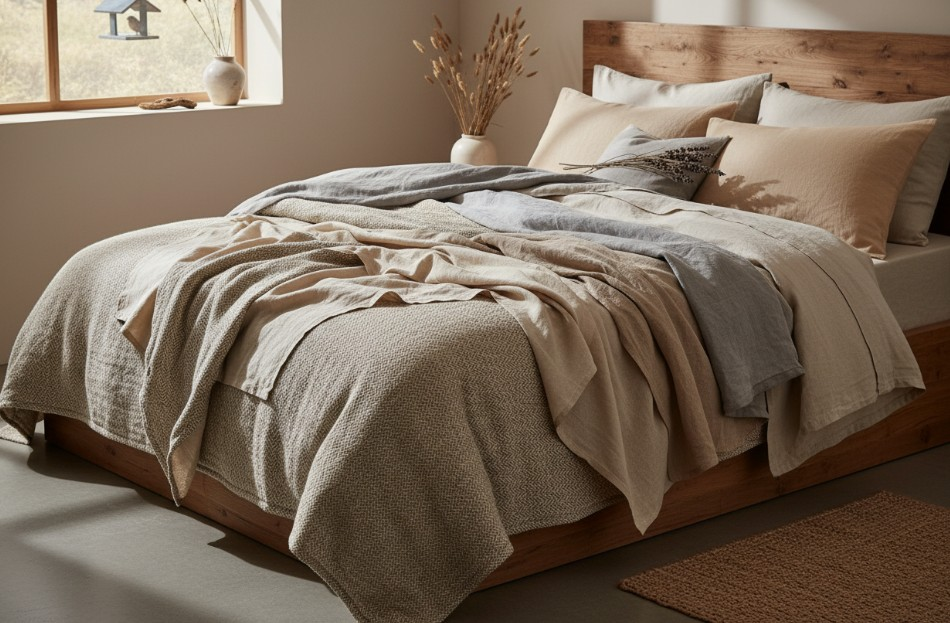
A quality hemp sheet set costs $150–300. However, it can last 5–7 years (or longer) with proper care, and it actually gets softer and better over time.
Cost over 10 years: If you buy one hemp set and it lasts 7 years, you might replace it once in a decade. Total cost: $250–500. But that one set you keep will feel better in year five than your cotton set felt in year two.
The value equation: Hemp is more expensive upfront but similar or cheaper over a decade, plus you get a superior product for the majority of the time you own it.
Hemp vs Cotton: Which Should You Choose?
Choose Cotton If:
- You prioritize immediate comfort and soft feel.
- You have a tight budget for upfront cost.
- You prefer a lighter, more delicate fabric.
- You like the familiar feel of traditional cotton.
- Important: You choose organic cotton to mitigate environmental impact.
Choose Hemp If:
- You prioritize environmental sustainability.
- You have chemical sensitivities or sensitive skin.
- You live in a humid climate and need mould resistance.
- You value durability and long-term investment in quality textiles.
- You are willing to invest in a fabric that becomes softer and better with time.
- You want to reduce your overall consumption (fewer replacements over a lifetime).
The Hybrid Approach: Hemp-Cotton Blends
Many brands offer hemp-cotton blends (typically 50/50 or 60/40). These offer a middle ground:
- Less stiff than pure hemp when new, but still improves with time.
- More durable than pure cotton, but less so than pure hemp.
- Better environmental profile than pure cotton, slightly less so than pure hemp.
- Mid-range pricing.
Blends are an excellent starting point if you are new to hemp or unsure about the initial stiffness.
Beyond the Fabric: The Broader Picture
What Actually Matters Most for Your Home
The “better” fabric depends on your specific situation:
If you live in a dry climate with good water resources and your primary concern is comfort and budget, quality organic cotton is a solid, sustainable choice.
If you live in a humid region, have chemical sensitivities, or prioritize environmental impact and durability, hemp is the clearer winner.
If you are somewhere in the middle, a hemp-cotton blend offers balance.
Processing and Dyes Matter as Much as the Fibre
Whether you choose hemp or cotton, also pay attention to:
- Certifications: Look for GOTS (Global Organic Textile Standard) or OEKO-TEX certification, which verify low-chemical processing.
- Dyes: Natural or low-impact dyes are better than heavy synthetic ones.
- Origin: Knowing where the fabric is grown and processed helps you make a fully informed choice.
Care and Longevity
Regardless of which fabric you choose, care extends lifespan dramatically:
- Wash in cool water with mild detergent.
- Avoid fabric softeners (they coat and degrade fibres).
- Dry on low heat or line dry.
- Store carefully (do not compress for years).
A well-cared-for cotton sheet lasts longer. A well-cared-for hemp sheet lasts even longer and feels better the whole time.
The Honest Truth
Hemp is not a magic solution, and cotton is not evil. Both are natural fabres with real trade-offs.
Cotton is comfortable, familiar and can be sustainable (when organic). It is excellent for many applications.
Hemp is more environmentally sustainable, more durable and better for people with sensitivities—but it requires patience as it softens over time.
The “better” choice is the one that aligns with your values and needs. If you care about reducing your environmental footprint and want sheets that will outlast you, hemp is the clear winner. If you prioritize immediate comfort and your access to organic cotton is excellent, that is a solid choice too.
What matters most is that you choose intentionally rather than defaulting to whatever is cheapest or most familiar.
Which Fabric Supports Your Best Home?
Your bedding, your clothing and your home textiles matter more than you might think. They touch your skin every day. They shape how you feel. They either support your health and values or they do not.
Whether you choose hemp, cotton or a blend, make the choice with open eyes. Understand the trade-offs. Recognize that “natural” does not automatically mean “sustainable,” and that different fabrics serve different purposes.
Then, invest in quality. Buy less, choose well and keep it for years. That is how you create a cleaner, calmer home—not by consuming more, but by choosing more thoughtfully.
Ready to choose your fabric? Compare hemp and cotton side-by-side, explore certified options and find the perfect bedding for your home at earthlyessential.com. Read the full comparison and discover which fabric aligns with your values.