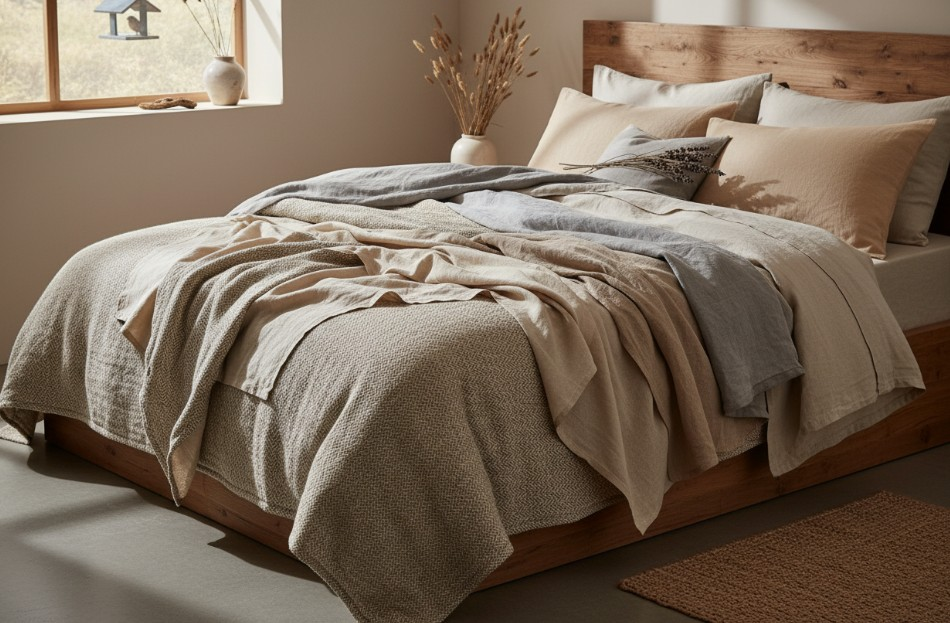
Hemp and linen bedding has a very particular feel. People describe it as calm, grounding, breathable, "like sleeping in fresh air" rather than inside a synthetic bubble. That is what many mean when they talk about bedding that feels "high frequency": textiles that support clear, steady energy instead of dragging the body down into heaviness or static.
In this guide you will see why hemp and linen feel so different, how they compare to cotton and synthetics, and exactly how to choose your own set so that your bedroom starts working for you instead of against you.
Why "High Frequency" Is a Useful Metaphor for Sleep
In wellness circles, people often talk about "raising your frequency." At the level of everyday experience it is simple: some environments leave you feeling clearer, lighter and more yourself; others leave you feeling foggy, irritable or drained.
Think about the last time you slept in a stuffy hotel room with heavy synthetic bedding. You may have technically slept for eight hours, yet still woke up groggy. Compare that with a night in a cool, airy guest room with natural sheets and fresh airflow. The difference comes from how your nervous system responds to temperature, breathability, texture and even smell.
When people describe hemp and linen bedding as "high frequency," they are noticing that their body can regulate temperature, their skin is not fighting friction or static, and the bed feels like part of nature rather than a sealed plastic container.
Hemp and Linen in a Nutshell
Hemp and linen are both bast fibres: they come from the stalks of plants (hemp and flax) rather than from seeds or synthetic polymers. They have a lot in common, but a slightly different personality in the bedroom.
Hemp: The Grounded Multitasker
- Exceptionally strong fibre that softens significantly with each wash while maintaining structure.
- Naturally resistant to microbes, mould and odour, which is why hemp is popular for eco bedding and towels.
- Feels a touch weightier and earthier on the body — almost like a gentle hug.
Linen: The Cool Air-Lover
- Famous for breathability and its ability to wick moisture away from the skin.
- Woven from flax, linen has that signature "slubby" texture — tiny irregularities that keep it from feeling flat and lifeless.
- Has a cool, slightly crisp hand-feel at first that relaxes beautifully with use.
When blended together (hemp–linen or hemp–Tencel blends), you often get the best of both: softness and drape with excellent temperature regulation and durability.
Why Hemp & Linen Bedding Feels Different From Cotton and Synthetics
1. Breathability and Thermoregulation
Both hemp and linen are highly breathable and excellent at moisture management. They pull perspiration away from your skin and release it into the air rather than trapping it against your body. That means less waking up damp or chilled, fewer sheet changes due to odour, and a more stable core temperature, which is crucial for deep sleep cycles.
Synthetic fibres like polyester and microfiber do almost the opposite — they trap heat and moisture, which can lead to overheating and restless, shallow sleep.
2. Natural Texture That Calms the Nervous System
Hemp and linen have subtle texture. Run your hand over them and you feel micro-variation rather than perfectly flat slickness. The nervous system tends to respond better to this subtle, organic pattern than to the glassy slide of synthetics.
That gentle texture makes the bed feel alive and supportive rather than slippery, encourages tiny micro-adjustments in the body that prevent pressure build-up, and signals "natural environment" at a subconscious level.
3. Less Static, More Grounded
Synthetics build static electricity; natural fibres like hemp and linen are much less prone to static, especially in humid climates. Less static means fewer tiny irritating shocks as you move in bed, less attraction of dust, and a generally more grounded, stable feeling in your sleep environment.
4. Cleaner Chemistry
Hemp and linen crops typically require less pesticide and fertiliser than conventional cotton, and many conscious bedding brands lean into low-tox processing and dyes. When you choose organic or certified hemp and linen, you reduce nightly exposure to residual pesticides, harsh finishing agents and certain wrinkle treatments. For sensitive sleepers and children, this alone can be a game-changer.
Signs Your Current Bedding Is Lowering Your Frequency
Before you start shopping, scan your current setup. Ask yourself:
- Do you wake up sweaty or with damp hair and pillowcases several nights a week?
- Do you feel itchy, sticky or slightly suffocated under your duvet?
- Do your sheets cling to your body or throw visible sparks of static in dry weather?
- Does your bedding carry a lingering chemical or artificial scent, even after washing?
- Do you dread making the bed because everything tangles and clumps?
If you answered "yes" to two or more, your bedding is probably not supporting deep rest, no matter how pretty it looks.
How to Choose Hemp & Linen Bedding That Truly Serves You
1. Start With Your Non-Negotiables
Clarify what matters most to you right now:
- Temperature: are you hot, cold or a "both in one night" sleeper?
- Texture: do you like crisp, lived-in, or ultra-soft from day one?
- Allergies: do you need certified low-tox or fragrance-free?
- Aesthetic: are you drawn to calm neutrals, earthy tones, or soft colour?
This will help you narrow down between pure hemp, pure linen or blends.
2. Choose Your Base Layer: Sheets
Your fitted sheet is where your body spends the most time, so this is the smartest place to invest.
- Pure hemp for durability and a slightly weightier, grounded feel.
- Pure linen for airy, lived-in luxury.
- Hemp–linen or hemp–Tencel blends for softness plus strength if you dislike initial crispness.
Look for a breathable weave, appropriate depth for your mattress, and helpful certifications where possible.
3. Add Pillowcases: Your "Frequency Filters" for Face and Hair
Pillowcases impact your skin, sinuses and hair more than almost any other textile you own. Hemp and linen stay cool and do not trap as much oil or product near your face.
If budget is tight, start with two hemp or linen pillowcases and keep your existing sheet set; you will still feel a noticeable upgrade around your head and neck.
4. Choose a Duvet Cover: Where Function Meets Style
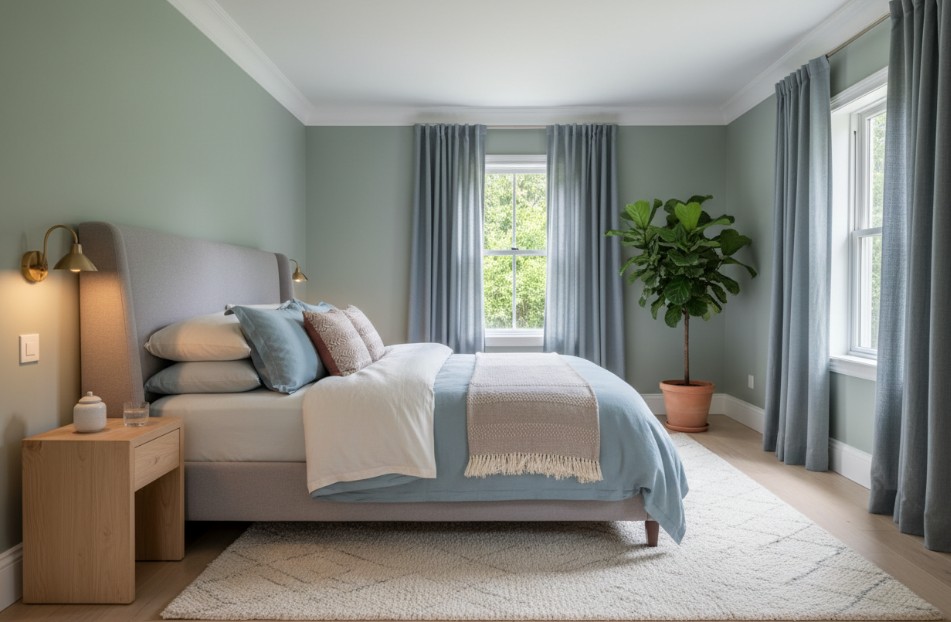
Your duvet cover is what you see and touch most. It shapes the emotional "frequency" of your bedroom.
- Go one or two shades deeper than your walls for a cocoon effect without darkening the room too much.
- Choose textures that invite touch: stonewashed linen, brushed hemp, or blends with a subtle slub.
- Avoid heavy chemical wrinkle-free finishes; the natural rumple of linen and hemp is part of the charm.
5. Layer Throws and Blankets for Tuning, Not Clutter
Think of extra layers as dials you can turn up or down. A hemp or linen throw at the foot of the bed can add grounding weight over your feet, offer quick warmth, and bring in colour while the main bedding stays calm.
How Hemp & Linen Fit Into a High-Frequency Bedroom
1. Evening Wind-Down Ritual
Pair your natural bedding with a repeatable ritual so your body associates getting into bed with safety, not stress. Five minutes of gentle stretching, warm lamplight instead of overheads, a small water or tea ritual and a slow exhale as you feel the fabric under your hands can be enough.
2. Natural Companions: Metals, Sound and Scent
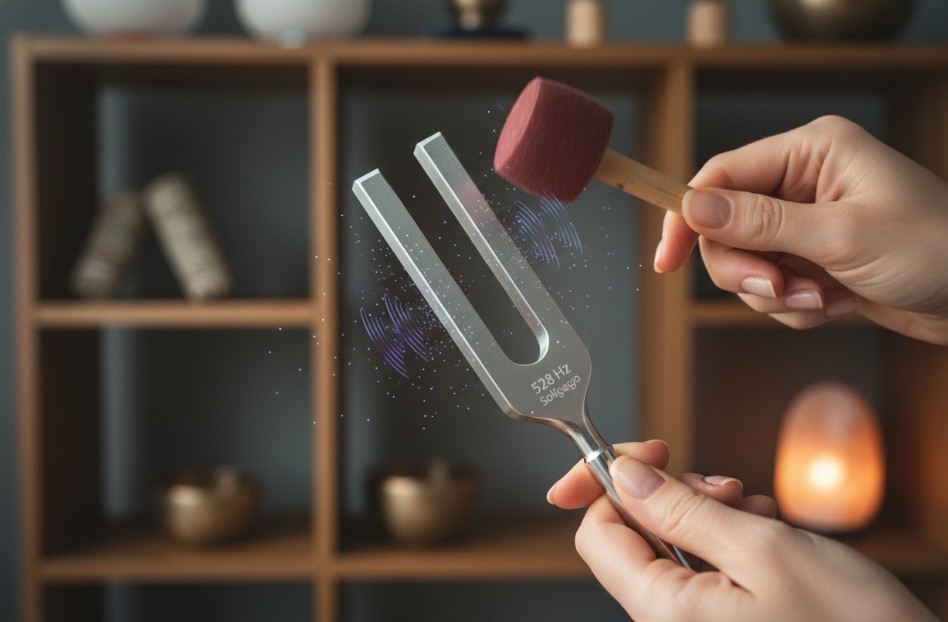
Hemp and linen play beautifully with other natural elements: a simple copper or clay carafe of water by the bed, a gentle sound tool for two or three minutes as you settle, and fresh air or a very light essential-oil spray. Keep it minimal; the goal is coherence, not clutter.
3. Caring for Your Bedding as Ritual
Wash with mild, low-scent detergent, line dry when possible, and store with care rather than stuffing sheets into a cupboard. The more respect you show the fibres, the more they seem to serve you over time.
Who Hemp & Linen Bedding Is Especially Good For
- Hot sleepers and couples with different temperature needs.
- People in humid climates, where mould-resistance and quick drying matter.
- Highly sensitive people who are affected by static, harsh textures and strong chemical scents.
- Eco-conscious households looking for lower-impact, long-lasting textiles.
Upgrade Your Sleep, Naturally
Your bed is the place where you spend one-third of your life. If the fabrics against your skin are fighting your body instead of supporting it, no supplement, candle or app can fully compensate. Hemp and linen bedding bring you back to something simpler: natural plant fibres breathing with you through the night, helping your system stay cool, grounded and clear.
Start where you are. Swap one layer — pillowcases, a fitted sheet or a duvet cover — and notice what shifts over a few weeks. Let your own sleep, mood and morning energy be the data.
Primary CTA: See the full buyer’s guide plus curated hemp and linen bedding picks at earthlyessential.com. Let your next set of sheets be the first step toward truly high-frequency sleep.